一鸣说创业公司的创始人在打造的是两个好的产品,一个是面向用户的产品,一个是面向员工的产品(即公司)。
做产品的核心能力是同理心,在这两个产品里面都尤其重要,而我一直认为亲密关系是大多数人提升同理心的最有效的途径,因为真正理解爱的是自己和爱的是别人中间的差别需要的就是同理心。
所以创业公司(尤其对内)和亲密关系有一些相似的地方。
之前和朋友讨论过一个问题,为什么在亲密关系中爱会消失,我的答案是:
1.没有爱(对方)的能力,当时间拉长尤其冲突出现后慢慢发现爱的是自己;
2.价值观改变了,过去爱的事情现在不爱了。
创业公司和员工信任关系的建立很像亲密关系:大家都被一些“外显”的特征所吸引进入,可能是公司的愿景、创始人的人格魅力等等,但进来之后慢慢会发现有很多当初没想到的困难或冲突出现。
公司和员工间的“爱”会消失也是相同的原因:
1.公司和员工互相不理解,缺乏同理心和沟通渠道;
2.公司或员工的价值观变了,不再需要对方了。
如何解决这两个问题?
针对第一条,同理心的部分重要的是“真听真看真感受”,分辨别人是否真诚成年人都很敏锐,荧幕上哪个演员一看是在演很容易判断,所以走个过场也骗不了谁;沟通渠道重要的是不仅仅对-1层而是不分等级的沟通,我认为这才是founder mode的核心。
第二条是一个更复杂的问题。和亲密关系一样,总会有很多时候发现不合适分手甚至离婚,当大家真真切切的需求不匹配时和平分手是最好的选项,但从一开始如何尽量避免出现本不匹配的两人在一起的情况,我认为是实事求是地了解自己、思考未来自己想要什么。
但这个问题能找到答案么?有两种回答:
1.我没办法知道五年后、十年后自己想要什么,就像transformer一样,接下来的五年或十年也是重要的上下文;
2.很多公司从day1就会讲使命愿景价值观,就像很多人可以脱口而出我喜欢的对象有xxx、xxx、xxx特征,问题是这是系统2的答案吗?大多数人为了逃避真正的思考愿意做任何事情,这才导致了当前模糊的价值观在未来才慢慢被擦亮。一家公司是创始人的影子,而我们在三十岁左右的年纪三观已经有非常稳定的部分了,所以无论是公司还是员工,其实是内心能够知道自己的想要的。
最后是动态成长的问题。公司和员工需要共同成长,伴侣之间也是。我们可以以成长性的心态对待对方,陪伴对方成长,但我们可以互相影响但是并不能完全操纵对方,所以也有人以静态的方式衡量对方这更稳妥,尤其在创业的竞争高压中,都有合理性。
退一万步讲,无论是创始人、员工、亲密关系中的一员,都应该把成长放在首位,即使未来出现关系破裂的状况,更优秀的你也可以吸引更优秀的新伙伴。
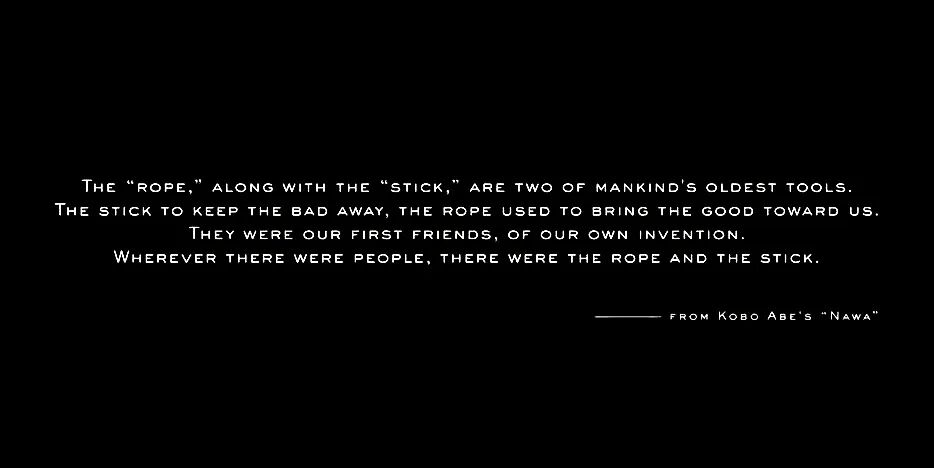
THE "ROPE," ALONG WITH THE "STICK," ARE TWO OF MANKIND'S OLDEST TOOLS.
THE STICK TO KEEP THE BAD AWAY, THE ROPE USED TO BRING THE GOOD TOWARD US.
THEY WERE OUR FIRST FRIENDS, OF OUR OWN INVENTION.
WHEREVER THERE WERE PEOPLE, THERE WERE THE ROPE AND THE STICK.- FROM KOBO ABE'S "NAWA"
希望这个世界多一些rope。
Yiming Zhang has said that a startup founder is building two good products: one for users and one for employees, the company itself.
Empathy is a core ability in product building, and it matters enormously for both of these products. I have always believed that, for most people, an intimate relationship is the most effective way to develop empathy. It takes empathy to truly understand the difference between loving yourself and loving another person.
That is why startups, especially in their internal workings, have something in common with intimate relationships.
I once discussed with a friend why love fades in an intimate relationship. My answer was:
- We lack the ability to love the other person. As time passes, especially once conflict arises, we gradually discover that the person we love is ourselves.
- Our values have changed. We no longer love what we once did.
The development of trust between a company and its employees is much like an intimate relationship. People are drawn in by certain visible qualities, perhaps the company's vision or the founder's personal charisma. Once inside, however, they gradually encounter many difficulties and conflicts they had not anticipated.
The “love” between a company and its employees can fade for the same reasons:
- The company and its employees do not understand one another. They lack empathy and channels of communication.
- The values of the company or the employee have changed, and they no longer need each other.
How can we address these two problems?
For the first, empathy requires us to “truly listen, truly see, and truly feel.” Adults are perceptive when it comes to sincerity. It is easy to spot an actor on screen who is merely acting, and going through the motions will not fool anyone. As for communication, the key is to communicate across every level, rather than only with your direct reports. To me, that is the heart of founder mode.
The second problem is more complicated. As in intimate relationships, there will always be times when people discover they are not right for one another and break up, or even divorce. When their actual needs no longer match, an amicable separation is the best option. But how can we avoid bringing together two people who were never a good match in the first place? I think the answer is to understand ourselves honestly and think about what we want for our future.
Can we find an answer to that question, though? There are two possible responses:
- I cannot know what I will want five or ten years from now. As with a transformer, those next five or ten years will themselves be important context.
- Many companies talk about mission, vision, and values from day one, just as many people can readily list the qualities they want in a partner: this, that, and the other. But is that a System 2 answer? Most people will do almost anything to avoid thinking deeply. That is why values that are vague today only gradually become clear in the future. A company is a reflection of its founder, and by around thirty, substantial parts of our outlook on life, the world, and our values are already quite stable. So whether we are talking about a company or an employee, it is possible, deep down, to know what we want.
Finally, there is the question of growth over time. A company and its employees need to grow together, as do partners. We can approach the other person with a growth mindset and accompany them as they develop. Yet although we can influence one another, we cannot completely control one another. Some therefore prefer to assess the other person as they are today, finding that more dependable, particularly amid the intense competitive pressures of a startup. Both approaches have their reasons.
At the very least, whether as a founder, an employee, or a partner in an intimate relationship, we should put growth first. Even if the relationship eventually breaks down, a better version of you can attract better new partners.
THE "ROPE," ALONG WITH THE "STICK," ARE TWO OF MANKIND'S OLDEST TOOLS.
THE STICK TO KEEP THE BAD AWAY, THE ROPE USED TO BRING THE GOOD TOWARD US.
THEY WERE OUR FIRST FRIENDS, OF OUR OWN INVENTION.
WHEREVER THERE WERE PEOPLE, THERE WERE THE ROPE AND THE STICK.- FROM KOBO ABE'S "NAWA"
I hope there will be more ropes in this world.